2020年《中国世界遗产地保护和管理》项目进展与成果回顾
2020 Project Implementation Status Update
China Youth Development Foundation Mercedes-Benz Star Fund FIT Project
“Conservation and Management of World Heritage Sites in China” Phase III 2017-2020
China is a country with abundant heritage resources, and the world’s largest developing country with a large population base, low per capita resource ownership, fragile ecological environment. The problems of unbalanced, uncoordinated, and unsustainable development remain prominent. The rapid economic development and urbanization over the past 30 years brought great challenges to heritage conservation and transmission. These challenges include the conflicts between heritage conservation and regional economic development, compulsory protection measures and lack of adequate compensation mechanisms, the impact of old city reconstruction and dislocated development, and the gaps in heritage transmission caused by rural emigration toward big cities. Driven by the goal of "development is the top priority", the question of how to effectively balance heritage conservation and socio-economic development, is an important issue addressed by the “Conservation and Management of World Heritage Sites in China” Project.
With the continuing financial support from China Youth Development Foundation Mercedes-Benz Star Fund, UNESCO launched the "Conservation and Management of World Heritage Sites in China" Project Phase III in 2017, which advocates for a human-centered approach to sustainable development. In the context of China, the project explores ways to reconcile and balance heritage conservation and economic growth, and achieve sustainable benefits at the community-level.
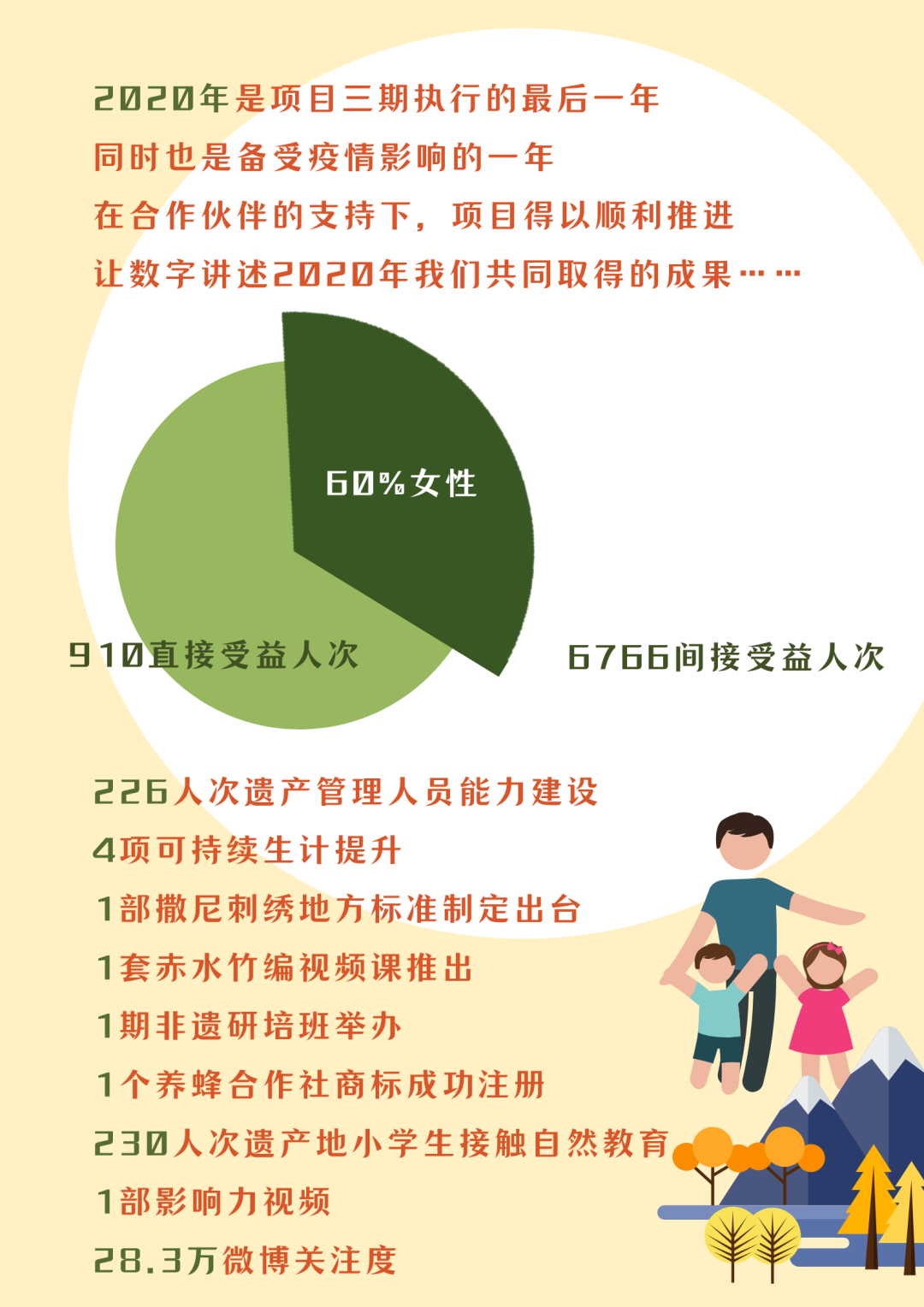
2020 is the final year in Phase III project implementation, and is also marked by the COVID-19 pandemic. With the support from partners, the Project produced the following result and output in 2020:
· 910 direct beneficiaries, 60% women
· 6,766 indirect beneficiaries
· 226 heritage managers capacitated
· Heritage at 4 World Heritage sites tapped to generate opportunity
· Shilin Sani Embroidery Standards formulated and adopted by local government
· 1 Bamboo weaving video course series developed
· Beekeeping cooperative trademark registered
· 230 children & youth engaged in nature education
· 1 project impact video
· 283k viewership awareness raised through Weibo campaign
Capacity Building
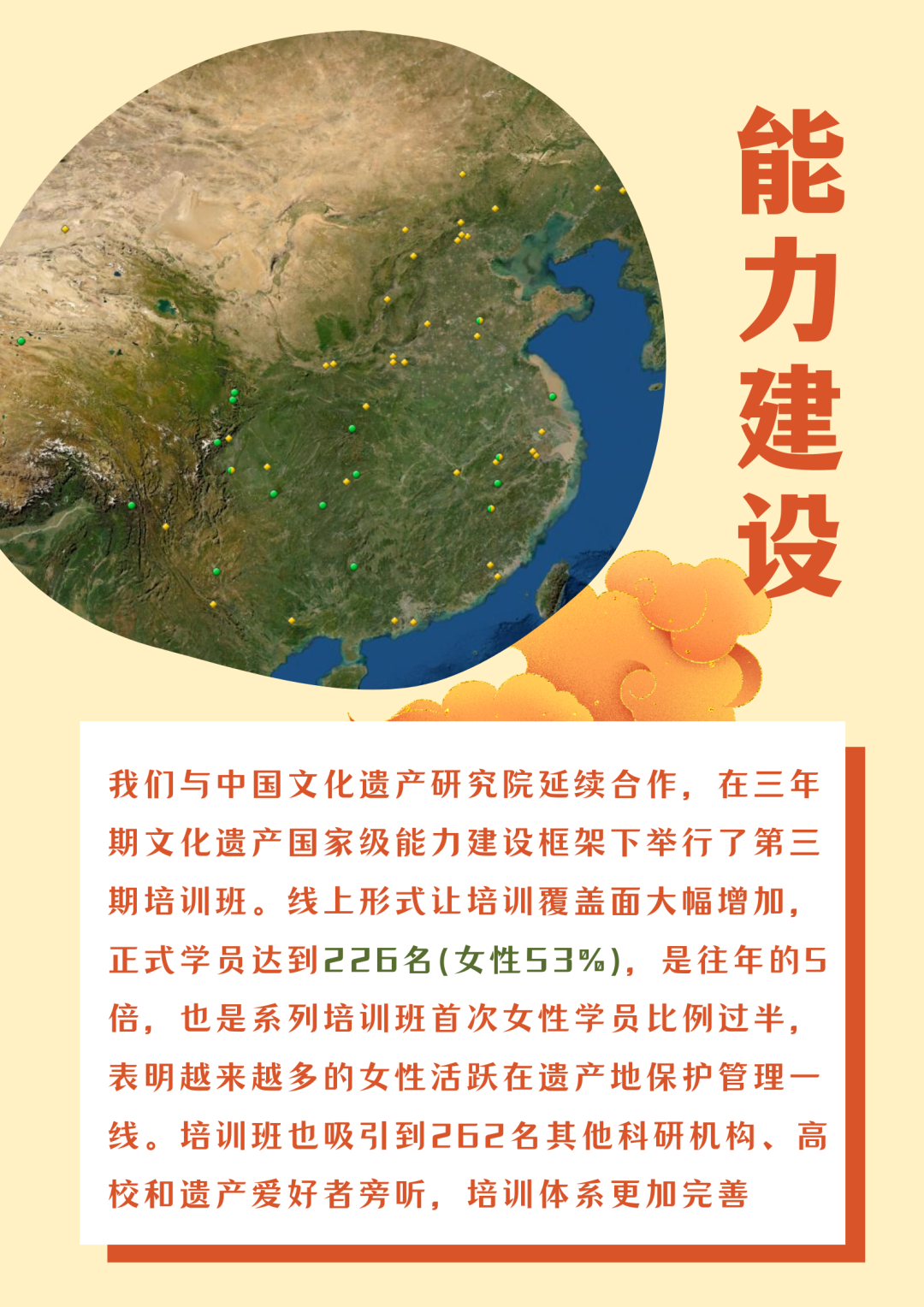
In 2020, we continue to work with China Academy of Cultural Heritage (CACH) and organized the third workshop within the framework of the UNESCO-CACH three-year national capacity building of cultural World Heritage sites in China. The online training mechanism widened the workshop’s coverage. In addition to the 226 (53% of women) certified trainees, which was five times the number of trainees in the previous workshop, another 262 from other research institutions, universities and the civil society followed the course. This was also the first time that the number of women participants exceeded the number of men, indicating that women professionals are becoming increasingly active in heritage conservation and management.
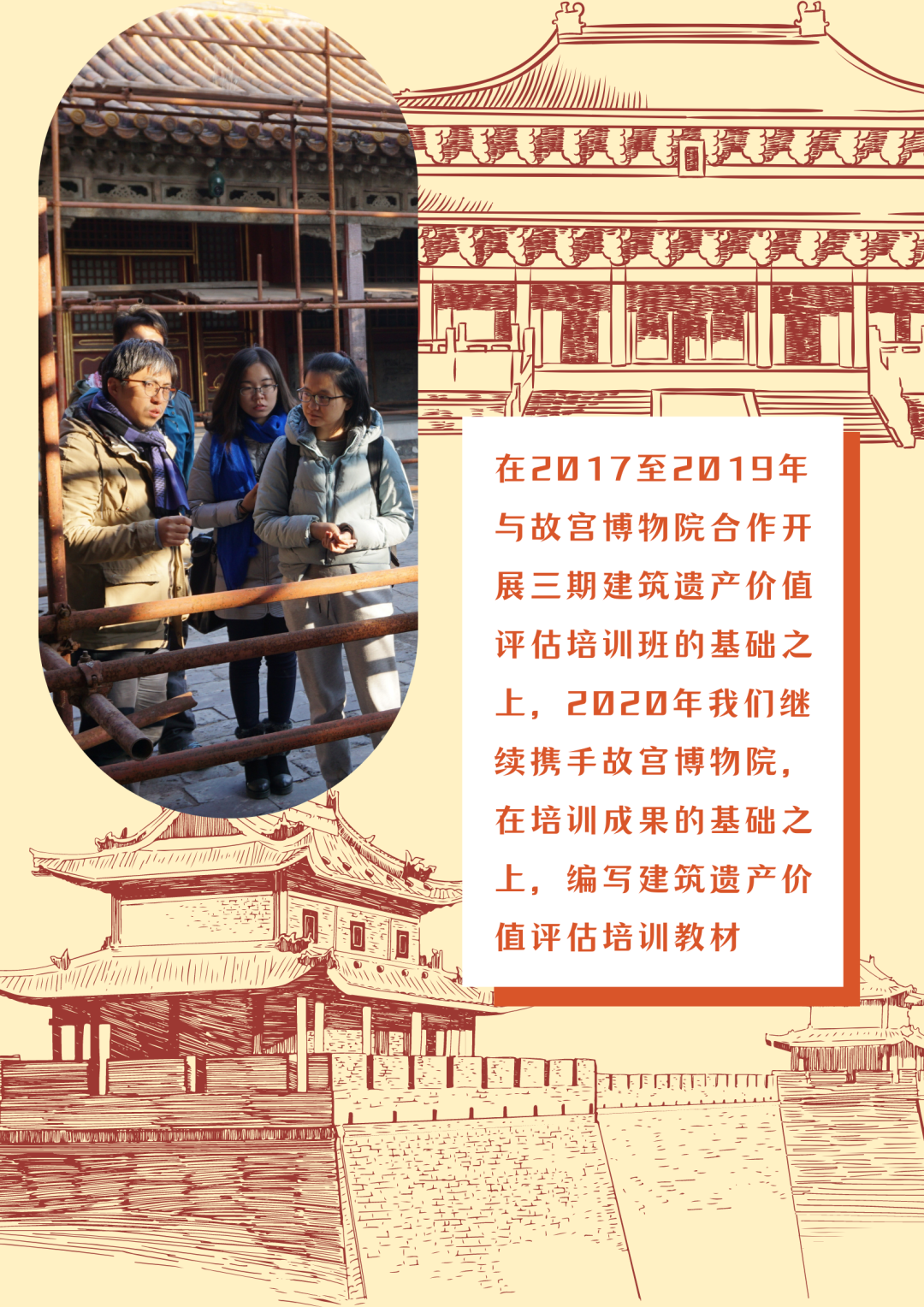
Based on the three capacity building workshops on architectural heritage value assessment jointly held with the Palace Museum from 2017 to 2019, we are working together to develop a training materials package on architectural heritage value assessment.
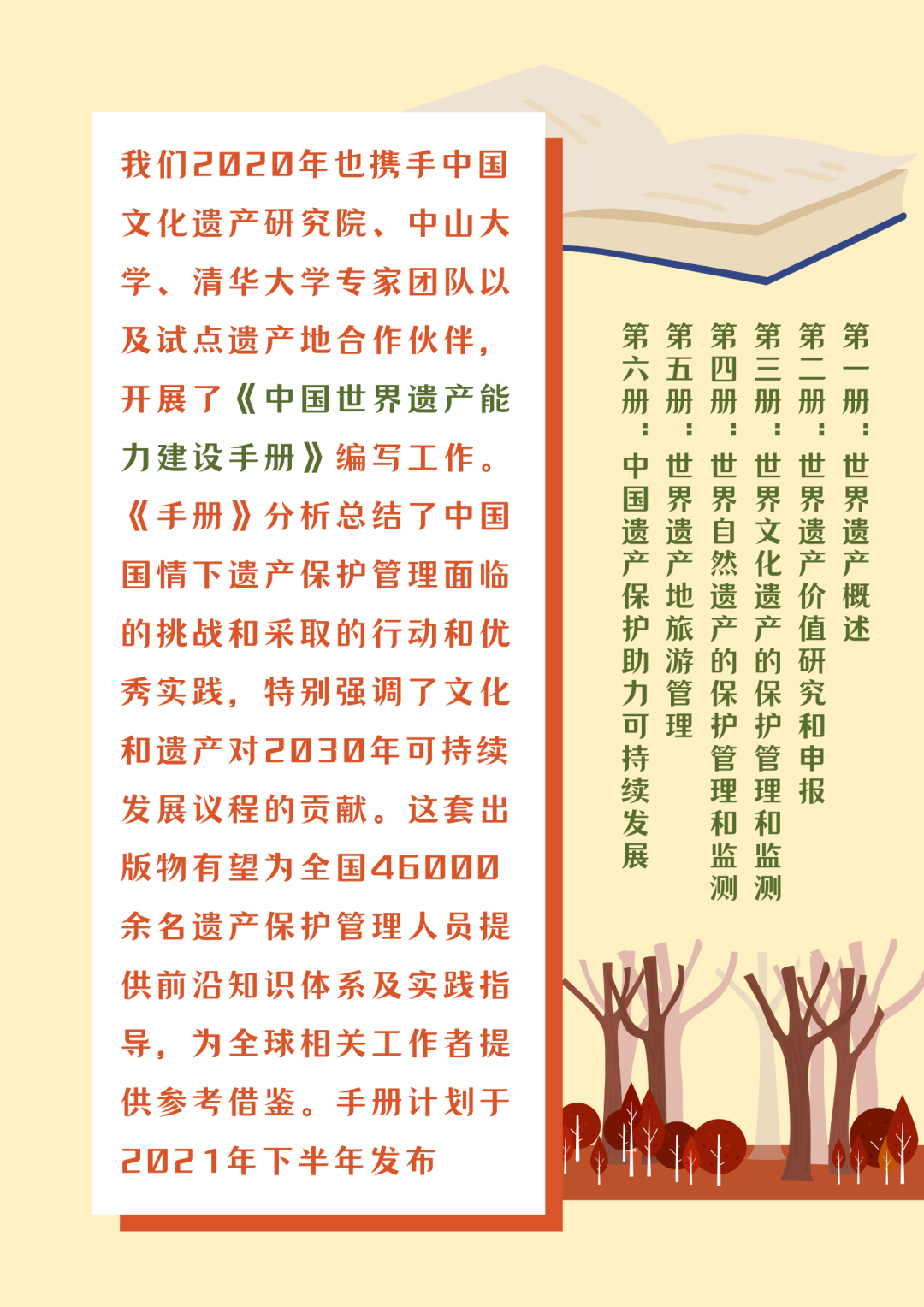
We are also working with experts from CACH, Sun Yat-Sen University (SYSU), Tsinghua University (THU), and pilot World Heritage sites to develop the China World Heritage Capacity Building Manuals. The Manuals consolidates key actions and good practices in response to the challenges of heritage conservation and management in China, highlighting the contribution of culture and heritage to the 2030 Agenda for Sustainable Development. The Manuals are expected to benefit the 46,000 World Heritage conservation and management professionals across China in enhancing their understanding and practical capacities in heritage conservation and management, and provide reference for World Heritage conservation and management practitioners around the world. The Manuals are planned to be published in the second half of 2021.
- Vol. 1 World Heritage Overview
- Vol. 2 World Heritage Value Research and Nomination
- Vol. 3 Conservation, Management and Monitoring of Cultural World Heritage Sites in China
- Vol. 4 Conservation, Management and Monitoring of Natural World Heritage Sites in China
- Vol. 5 Tourism Management at World Heritage Sites in China
- Vol. 6 Heritage Conservation for Sustainable Development in China
World Heritage Sustainable Livelihood
World Heritage Sustainable Livelihood activities continue to align closely with China's national policies and priorities. The new pilot activity on Songtao Miao embroidery jointly launched with the Intangible Cultural Heritage Department of Ministry of Culture and Tourism achieved deep synergies with the Ministry’s priorities in terms of ICH for poverty alleviation and revitalization of traditional crafts. The nature education activities on trial in Wolong also provided support for relevant policies of National Forestry and Grassland Administration. 670 people (over 60% women) directly benefited from pilot activities.
Miao Embroidery sustainable livelihood activities at Songtao, Fanjingshan
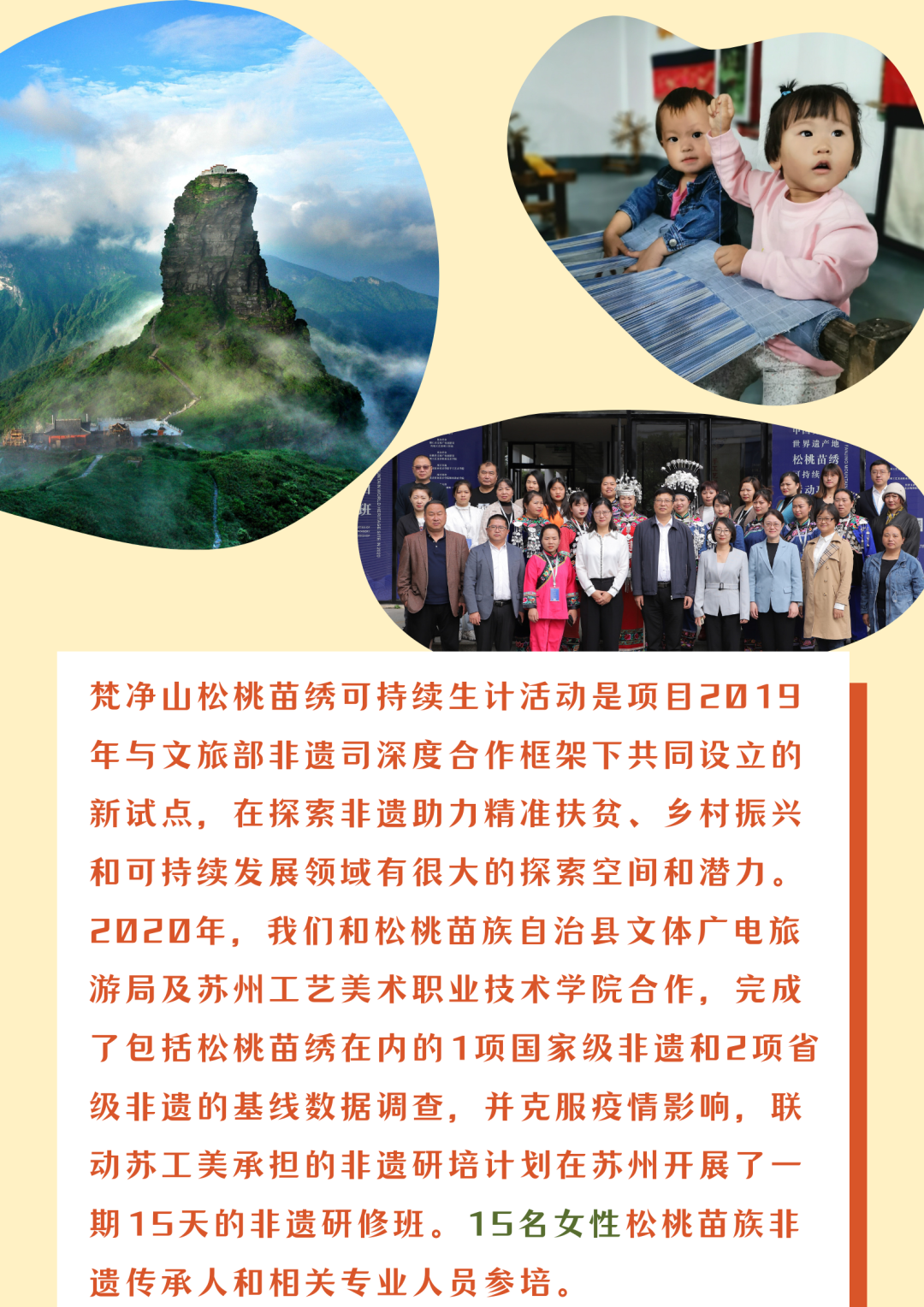
Miao Embroidery sustainable livelihood activity at Songtao, Fanjingshan is a new pilot jointly launched in 2019 under the cooperation framework with the ICH Department of MCT, and has great potential in exploring ways of promoting poverty alleviation, rural revitalization, and sustainable development. In 2020, the joint expert team has completed the baseline investigation covering 1 national and 2 provincial ICH elements, including Songtao Miao Embroidery. Overcoming the impact of the pandemic, the project leveraged the research and training resources of Suzhou Art and Design Technology Institute (SADTI), and organized a 15-day ICH training workshop in Suzhou. 15 women Songtao Miao ICH bearers and practitioners participated in the training.
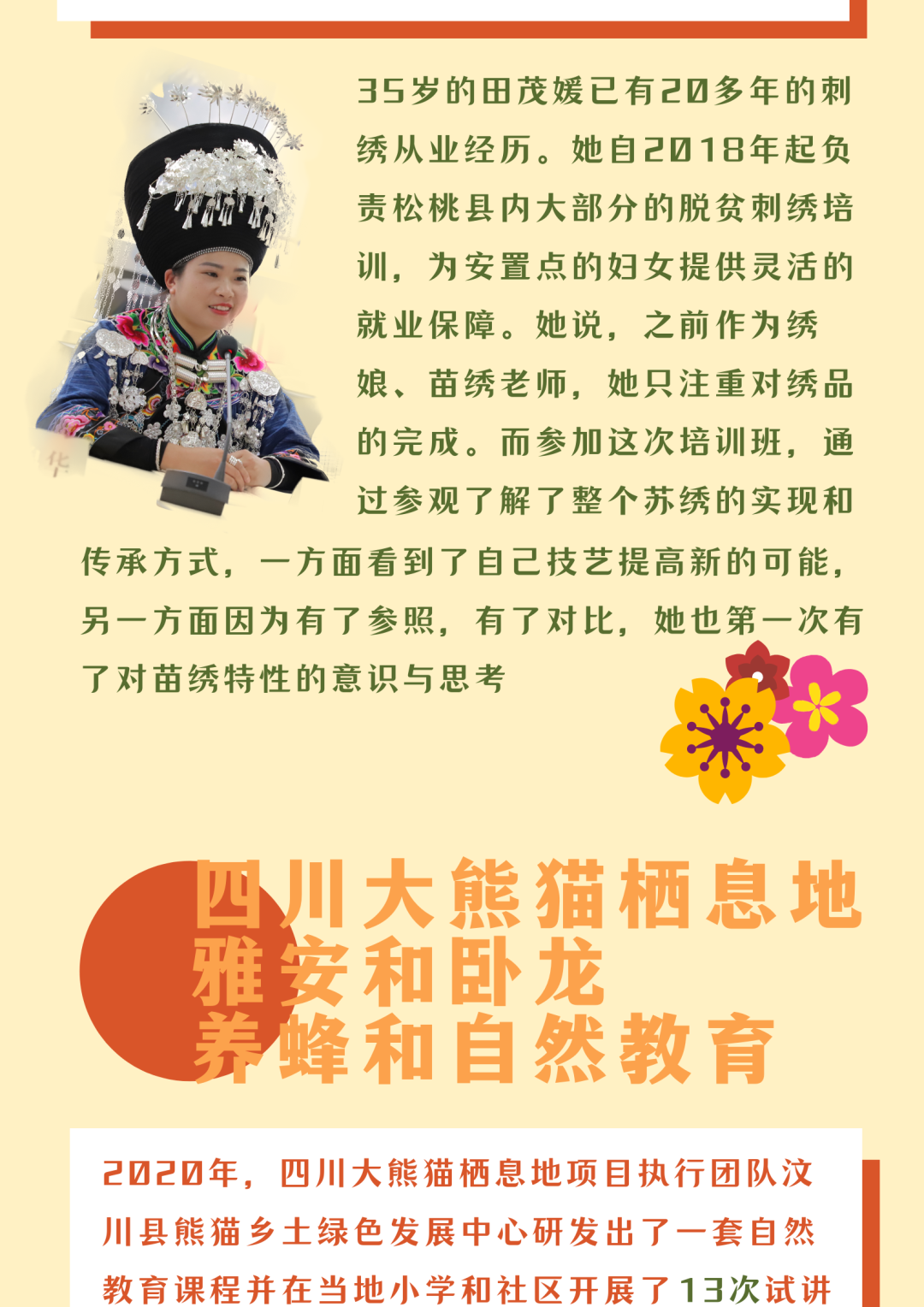
Story from the field: Ms. Tian Maoyuan, 35, has more than 20 years of experience in embroidery. Since 2018, she has been responsible for organizing poverty alleviation training on embroidery in Songtao County, which provide flexible employment for women in resettlement compounds. She said that as an embroiderer and instructor of Miao embroidery, she used to only pay attention to the completion of embroidery. After attending this training workshop, she learned about the manufacturing and transmission of Suzhou embroidery through site visits. She both saw the possibility of improving her own skills, and began to reflect on what constitutes the values of Miao embroidery for the first time.
Beekeeping sustainable livelihood activity in Ya’an and Wolong, Sichuan Giant Panda Sanctuaries World Heritage Site
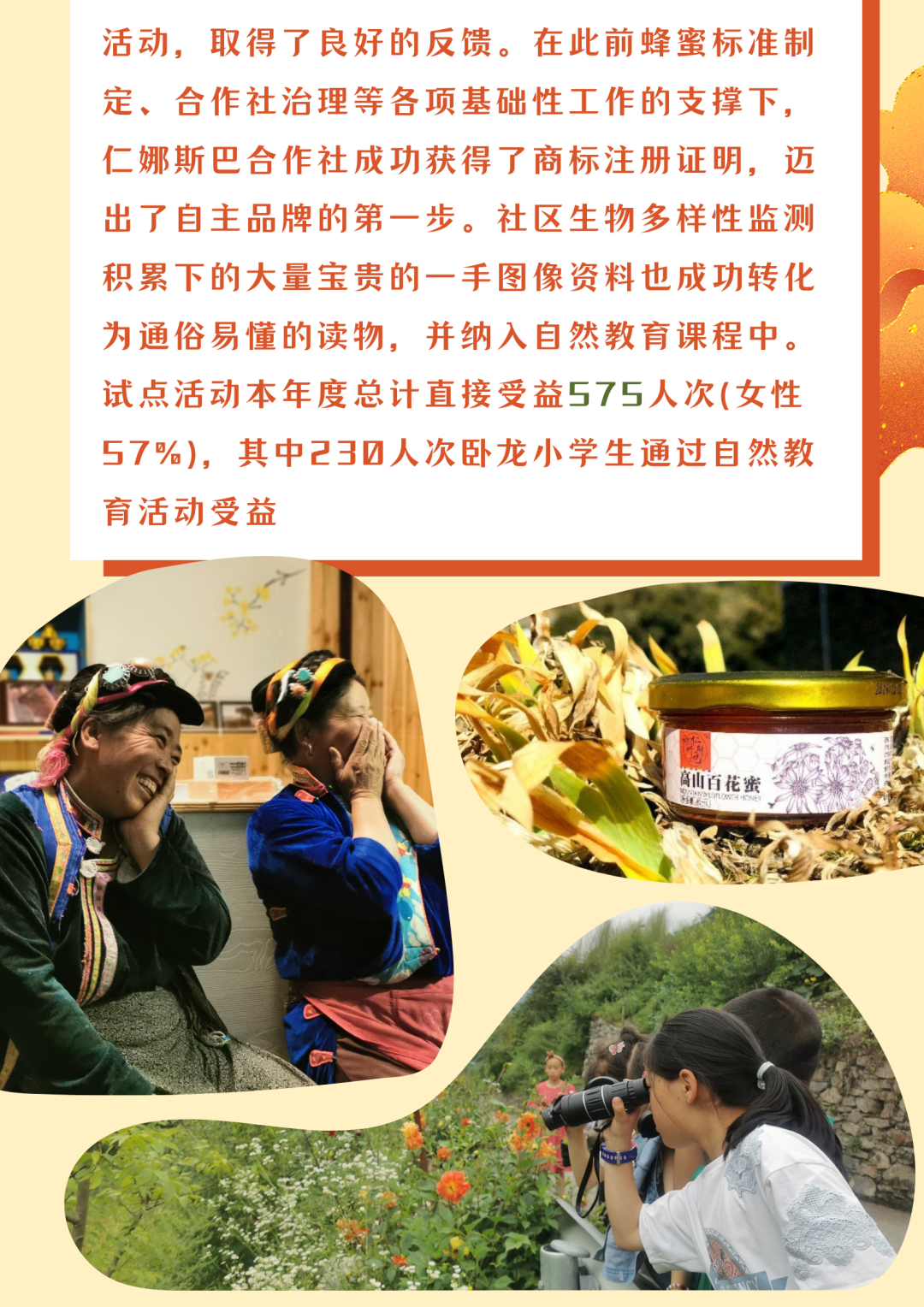
In 2020, a set of nature education courses was developed in Wolong and 13 well-received trial sessions have been conducted for local primary school students and communities. Based on the work carried out during previous years such as honey standard setting and cooperative governance capacity building, Rennasiba Beekeeping Cooperative successfully registered for trademark, which will contribute to the marketing and promotion of the cooperative’s alpine honey products. Numerous first-hand images accumulated in community biodiversity monitoring were successfully transformed into easy-to-understand reading materials and included into the nature education curriculum. A total of 575 people (57% women) benefited directly from the pilot activities this year, including 230 primary students in Wolong.
Sani embroidery sustainable livelihood activity at South China Karst World Heritage site in Shilin, Yunnan
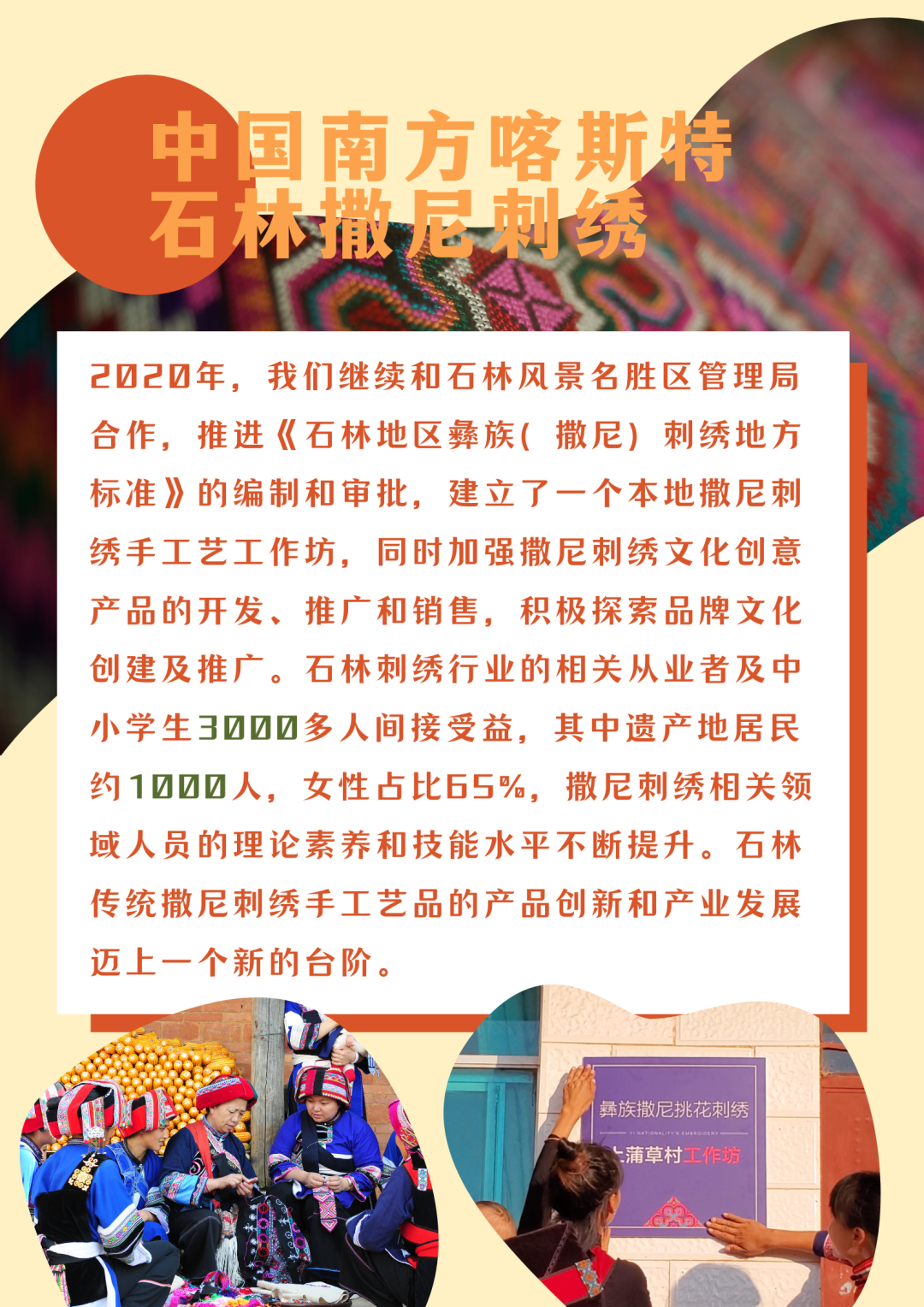
In 2020, we facilitated the compilation and approval of the Local Standards for Shilin Sani Embroidery Products, as well as the establishment of a local Sani embroidery cooperative. The development, promotion and sales of cultural creative products of Sani embroidery were strengthened, and the creation and promotion of brand culture were actively explored. More than 3,000 (65% women) practitioners of the embroidery industry and students of primary and secondary schools in Shilin benefited indirectly, of which about 1,000 are from local communities. The development of cultural creativity and cultural economy relating to traditional Sani embroidery has also been steadily promoted.
Bamboo handicraft sustainable livelihood activity at China Danxia World Heritage site in Chishui, Guizhou
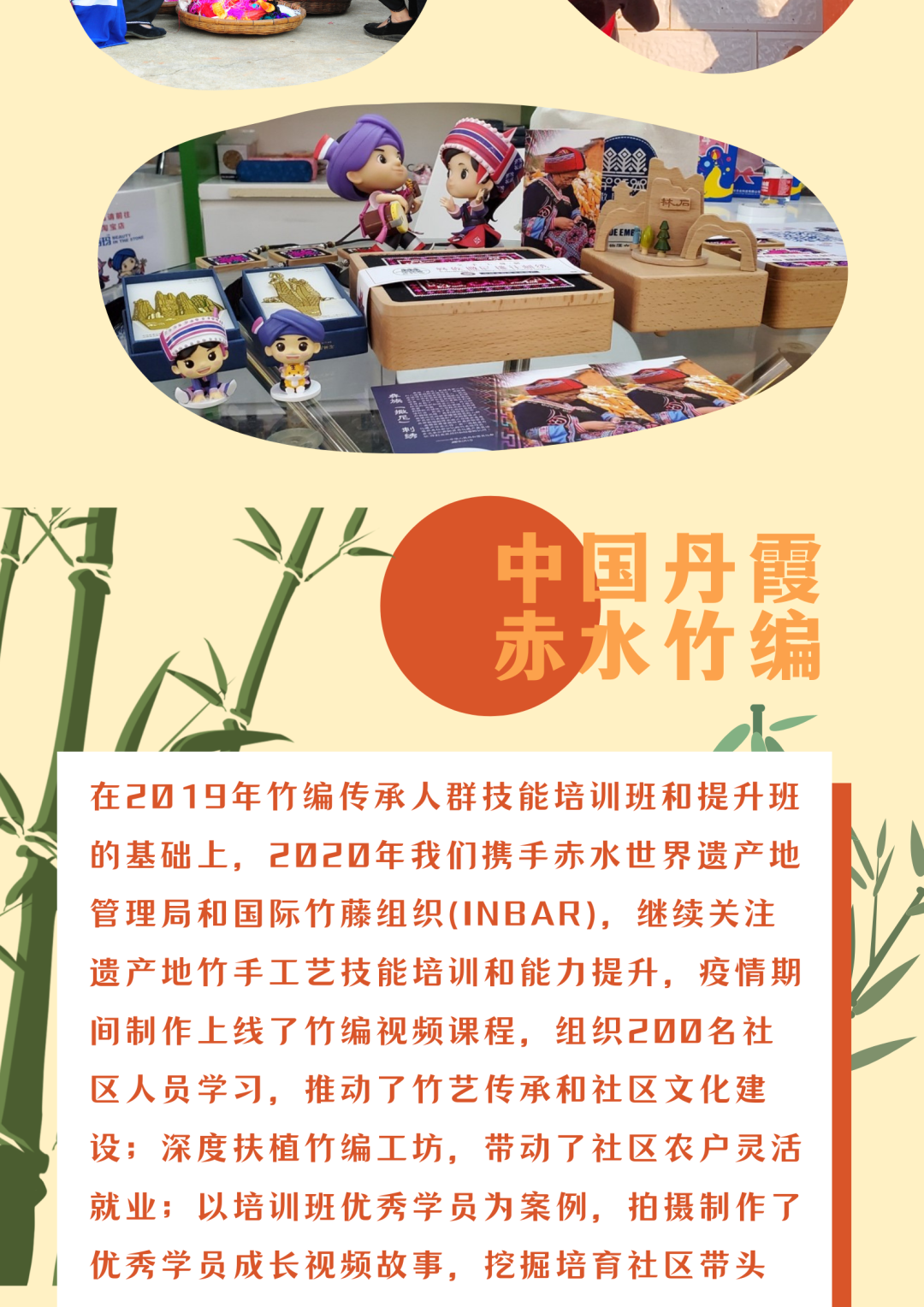
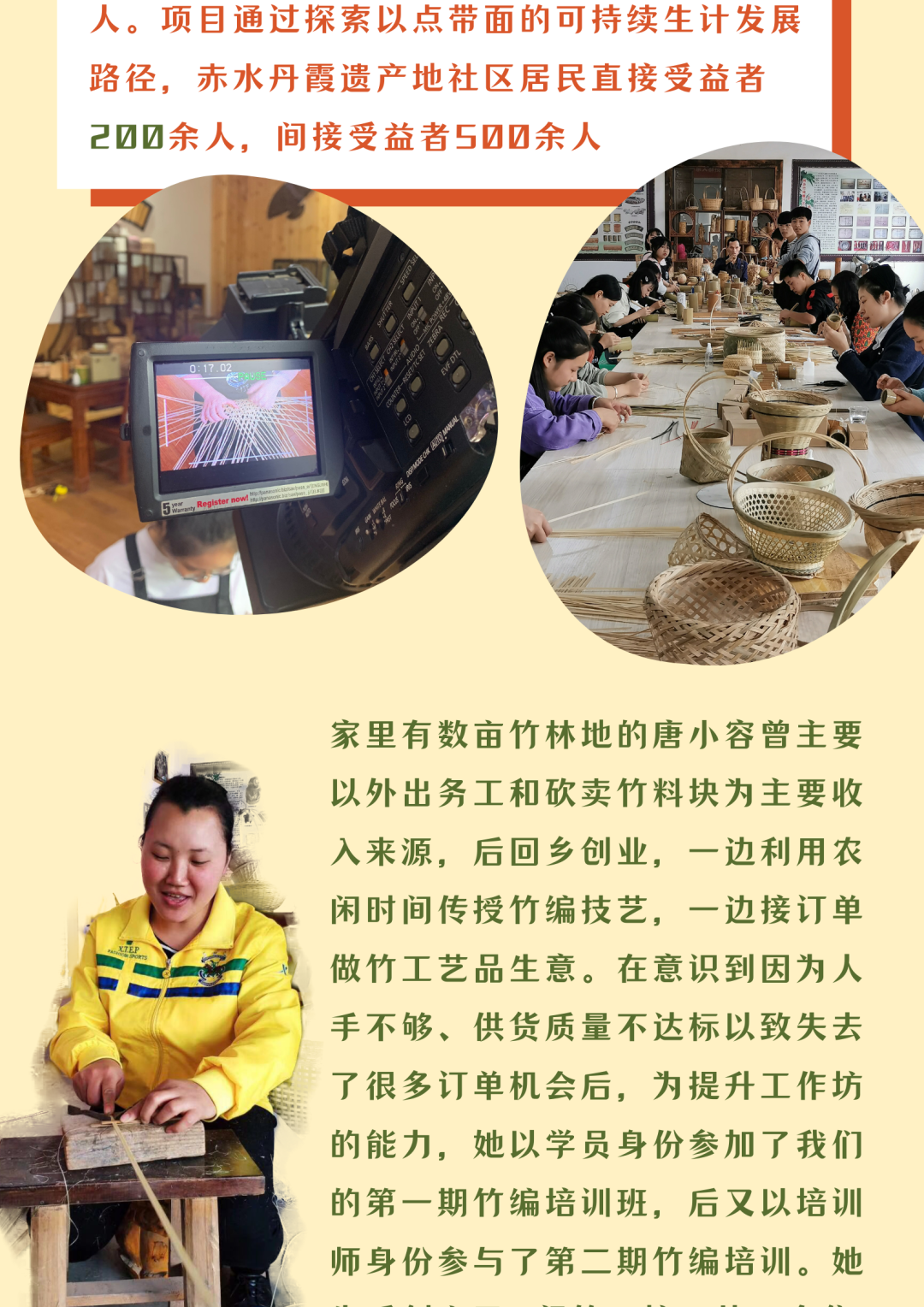
Based on the bamboo handicraft workshops held in 2019, in 2020, we joined hands with Chishui World Heritage Management Bureau and INBAR to continue developing local capacities in bamboo handicraft. During the pandemic, we launched a set of bamboo weaving video courses, which sensitized 200 local residents. Bamboo handicraft cooperatives and workshops were fostered to promote flexible employment of community farmers. Taking the outstanding students in the training class as examples, the video stories of their growth were produced so as to lead by example and encourage more community members to engage. By exploring the sustainable livelihood development path with the successful experience, the project has benefited the community residents at Danxia Heritage Site widely, including more than 200 direct beneficiaries and more than 500 indirect beneficiaries.
Story from the field: Ms. Tang Xiaorong, who owns several acres of bamboo forest at home, once mainly relied on migrant work and selling bamboo blocks as the main sources of income. She returned to her hometown a few years ago and started her own business in bamboo weaving by setting up a workstation. She took orders to make bamboo handicrafts while teaching bamboo weaving skills in her spare time. However, insufficient human resources and inconsistent quality soon became an issue. In order enhance the capacity of her workstation, she trained in the 1st technical workshop under the project, and returned as a trainer in the 2nd workshop. She has since set up five workstations, providing work opportunities for more than 600 women in local and nearby towns and villages, with an annual revenue of more than 3 million yuan.
Awareness Raising and Public Outreach
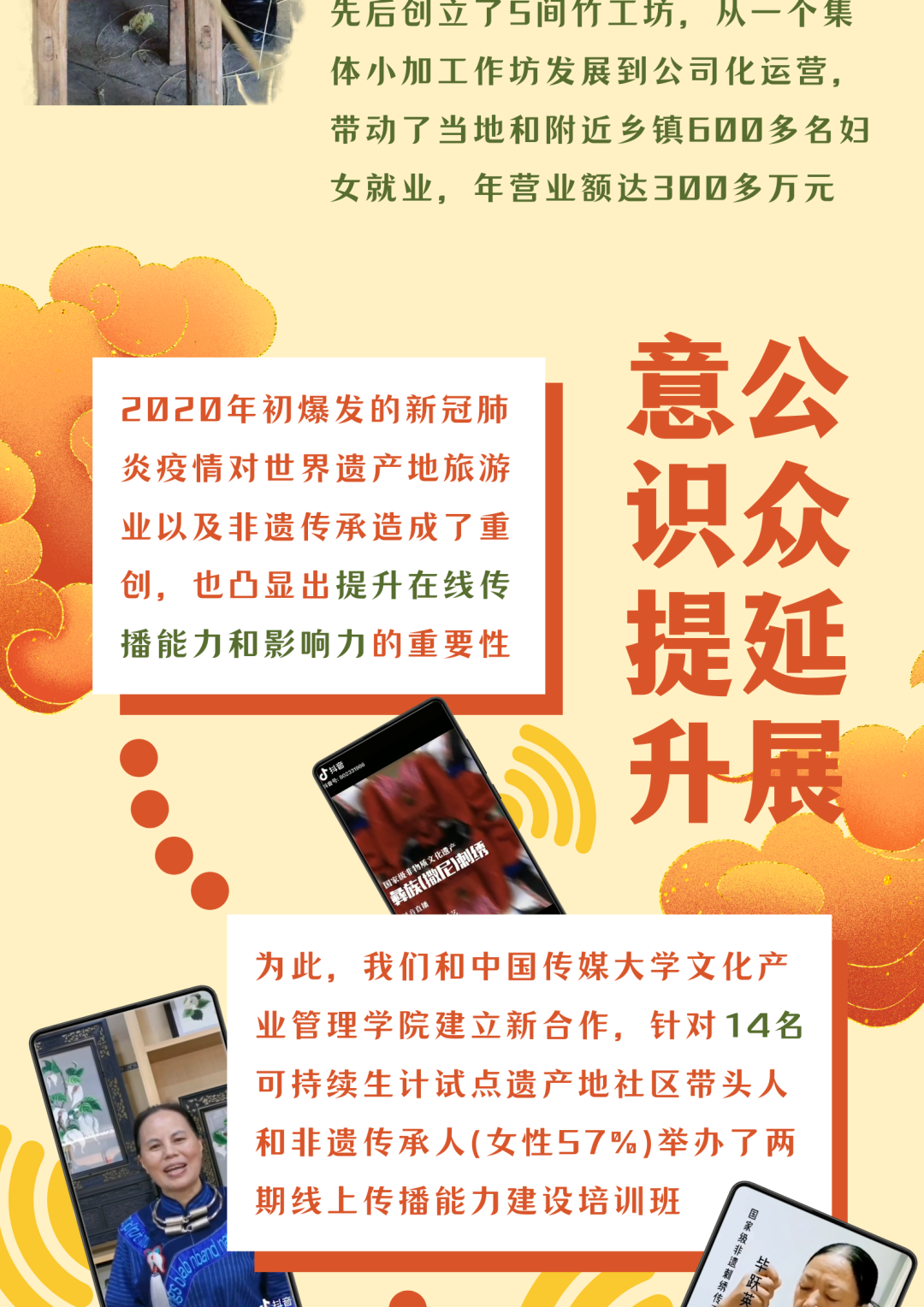
The COVID-19 pandemic in early 2020 severely affected the tourism and ICH transmission of World Heritage sites, and revealed the importance of online communication.
In this light, we collaborated with Communication University of China and organized 2 online workshops for 14 community leaders and ICH bearers of sustainable livelihood pilot sites (8 women, 57%) to enhance their capacity for online promotion of culture and related products.
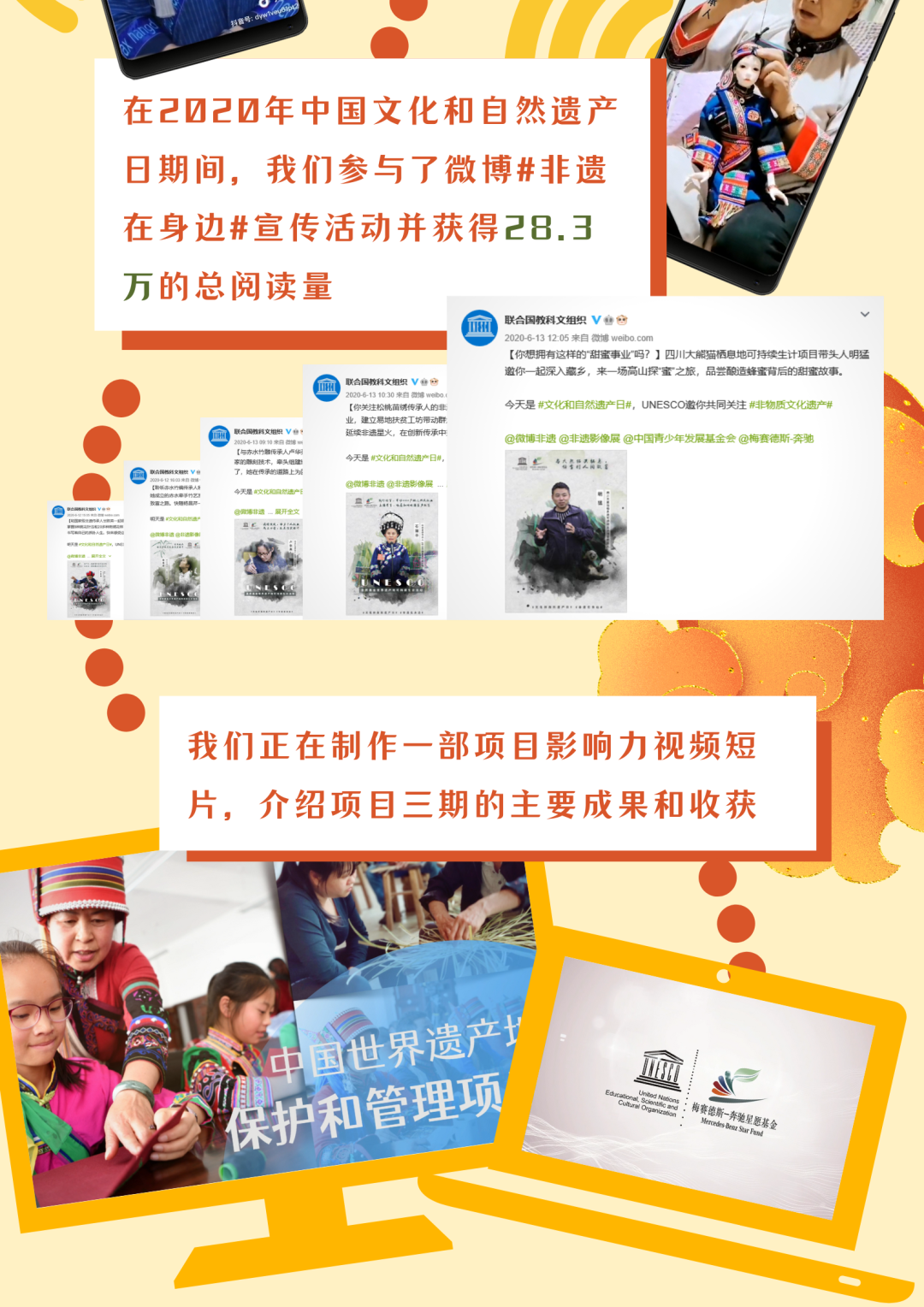
On the occasion of the 2020 China Cultural and Natural Heritage Day, we participated in the #ICH by Your Side# Weibo campaign with a total of 283k views of the Weibo posts.
We are currently developing a “project impact video” to summarize the outcomes of the project’s Phase III.
In 2021, the “Conservation and Management of World Heritage Sites in China” project Phase III will undergo external evaluation and achievement launch, and transition into Phase IV. We thank all partner agencies and experts for the support, and look forward to more fruitful outcomes in the coming year!