

节日知多少——解锁中国人的时间智慧
2026-02-14 13:33
来源:中国网


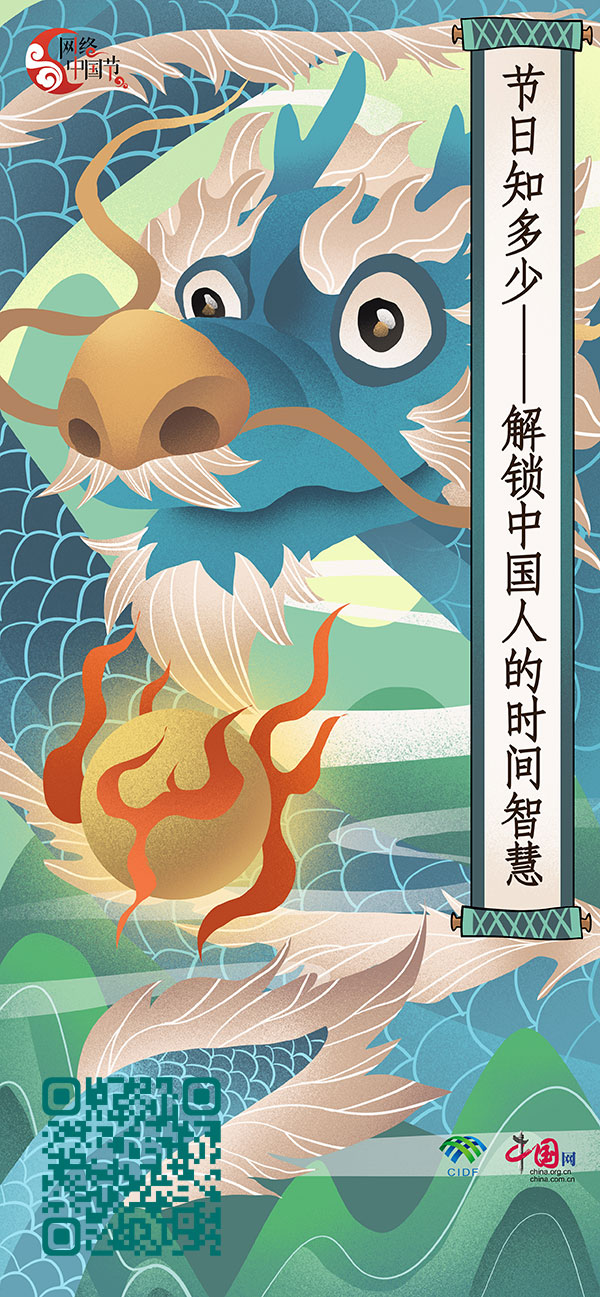
春节、元宵节、清明节、端午节、七夕节、中秋节、重阳节,是中国七大代表性传统节日。中国网邀你沉浸式探秘这七大节日,读懂古人藏在时节里的文化与浪漫。
这些传统节日的形成,与古人观象授时、顺应农时、坚守文化信仰紧密相关,它们既是时间的刻度,更是古人认知自然、传承信仰的鲜活载体。
其中,春季的春节作为辞旧迎新的重要节点,定于农历正月初一、立春节气前后,扫尘、守岁等传统仪式中,更藏着古人对新年的赤诚期许。
紧随春节而来的元宵节,定于农历正月十五,又称上元节,赏花灯、猜灯谜、吃元宵是其核心习俗,灯火璀璨间,承载着古人对团圆美满、平安顺遂的美好祈愿。
春和景明之时,便是清明节,定于公历4月5日前后,又称寒食节,扫墓祭祖、踏青郊游是其核心习俗,既是后人缅怀先祖、寄托哀思的庄重时刻,也是古人顺应春时、亲近自然的生动体现,藏着中国人“敬祖尽孝、天人合一”的文化内核。
时至仲夏端午,节日定于农历五月初五。相传为纪念屈原,赛龙舟、食粽子、挂艾草成为代代相传的习俗。驱疫避邪、追思先贤的民俗,饱含华夏儿女崇尚忠义、祈愿安康的朴素情怀。
步入孟秋便是七夕节,定于农历七月初七。源于牛郎织女的浪漫传说,拜星乞巧、祈福许愿是传统习俗。星河遥寄相思,节日承载着人们对美好情缘、幸福生活的向往。
时至仲秋,中秋节定于农历八月十五。皓月当空,赏月、品月饼、阖家欢聚是核心习俗。一轮明月寄牵挂,寄托着国人期盼阖家团圆、岁岁安康的美好心愿。
时序转入暮秋,迎来重阳节,定于农历九月初九。古以 “九” 为阳数,两九相重,故名重阳。登高望远、赏菊赋诗、遍插茱萸是经典习俗,节日根植敬老孝亲的传统美德,承载着世人祈愿长辈福寿绵长、平安康健的真挚祝愿。
不妨扫码解锁节日奥秘,探秘古人的时间智慧,品读藏在节日里的中国智慧,转发分享,共赴一场传统时节之约。
策划:李昭
统筹:蔡彬
文案:蔡彬 孙灵萱
手绘:王冠初
制作:遇翔
推广:张运兴 孟超 王雁青 韩倩钰
出品:中国互联网新闻中心(中国网)
中国互联网发展基金会支持项目
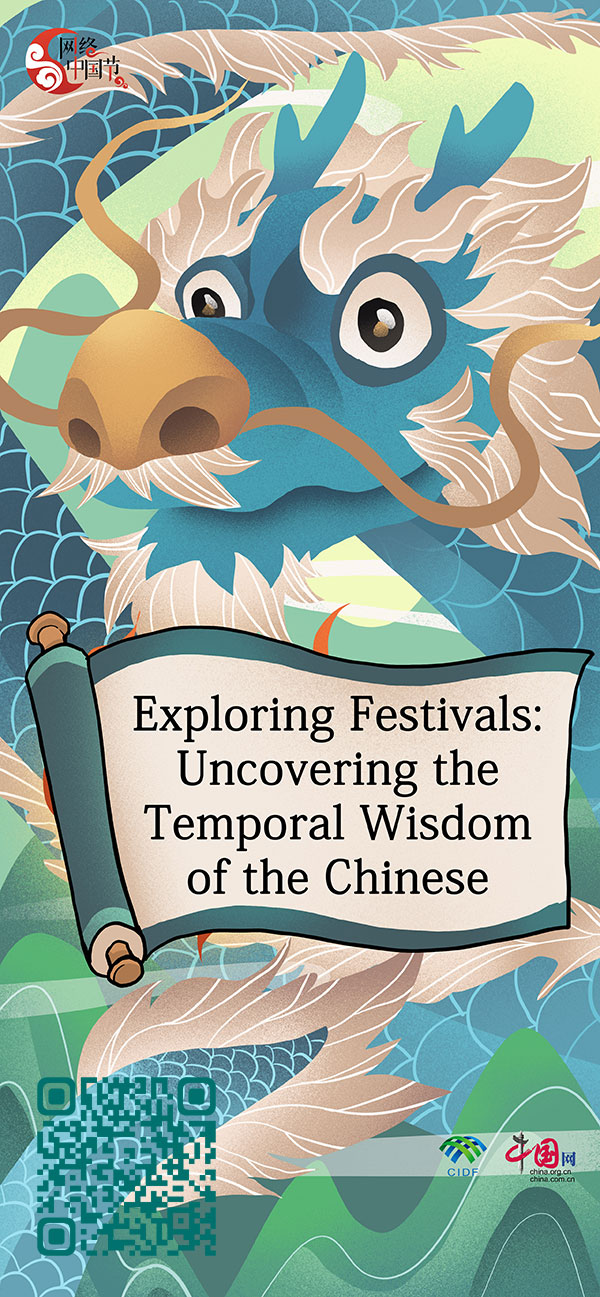
Chinese New Year, Lantern Festival, Qingming Festival, Dragon Boat Festival, Qixi Festival, Mid-Autumn Festival and Double Ninth Festival are the seven representative traditional Chinese festivals. China.org.cn invites you to immersively explore these seven festivals and understand the culture and romance hidden in the seasons by the ancients.
The formation of these traditional festivals is closely related to the ancient practice of observing celestial phenomena to tell time, adapting to farming seasons and upholding cultural beliefs—they are not only the scales of time, but also the vivid carriers for the ancients to understand nature and inherit their beliefs.
Among them, Chinese New Year in spring, as an important node to bid farewell to the old and welcome the new, falls on the first day of the first lunar month, usually around the Beginning of Spring solar term, and traditional rituals such as house cleaning and staying up on New Year's Eve embody the ancients' sincere expectations for the new year.
Following Chinese New Year is the Lantern Festival, which falls on the 15th day of the first lunar month, also known as Shangyuan Festival. Viewing lanterns, guessing lantern riddles and eating glutinous rice balls are its core customs. Amid the bright lights, it carries the ancient people's beautiful wishes for reunion, happiness and peace.
When spring is warm and the scenery is bright, Qingming Festival arrives. It falls around April 5th in the Gregorian calendar, also known as the Cold Food Festival. Sweeping tombs to worship ancestors and going out for spring outings are its core customs. It is not only a solemn moment for later generations to remember their ancestors and express their sorrows, but also a vivid reflection of the ancients following the spring season and getting close to nature, embodying the Chinese cultural core of "respecting ancestors and filial piety, and harmony between man and nature."
The Dragon Boat Festival comes in midsummer, falling on the fifth day of the fifth lunar month. The festival originates from the commemoration of Qu Yuan. Dragon boat races, eating zongzi and hanging mugwort have been passed down through generations. Folk customs of warding off plagues and remembering virtuous ancient figures reflect Chinese people’s simple sentiments of valuing loyalty and praying for health and peace.
Qixi Festival arrives in early autumn on the seventh day of the seventh lunar month. Derived from the romantic legend of the Cowherd and the Weaver Girl, its time‑honoured customs include star‑worshipping for craftsmanship and making wishes. With longing conveyed across the starry Milky Way, the festival embodies people’s yearning for beautiful affection and a happy life.
The Mid-Autumn Festival comes in mid-autumn on the 15th day of the eighth lunar month. Under the bright full moon, moon-gazing, eating mooncakes and family reunions are its core customs. The luminous moon carries people’s longing, embodying Chinese people’s heartfelt wishes for family reunion and lasting well-being year after year.
As late autumn sets in, we celebrate the Double Ninth Festival on the ninth day of the ninth lunar month. In ancient Chinese philosophy, nine is a yang number. The overlap of two nines gives the festival its name. Classic customs include climbing high to enjoy distant views, admiring chrysanthemums and composing poems, and wearing dogwood twigs. Rooted in the traditional virtue of respecting and caring for the elderly, the festival conveys sincere wishes for longevity, peace and good health for senior family members.
Why not scan the QR code to unlock the mysteries of the festivals, explore the temporal wisdom of the ancients, appreciate the Chinese wisdom hidden in the festivals, forward and share, and embark on a date with the traditional seasons together.
Planner: Li Zhao
Coordinator: Cai Bin
Copywriter: Cai Bin, Sun Lingxuan
Illustrator: Wang Guanchu
Production: Yu Xiang
Promotion: Zhang Yunxing, Meng Chao, Wang Yanqing, Han Qianyu
Presented by: China Internet Information Center (China.org.cn)
A Cultural Project Supported by the China Internet Development Foundation (CIDF)